
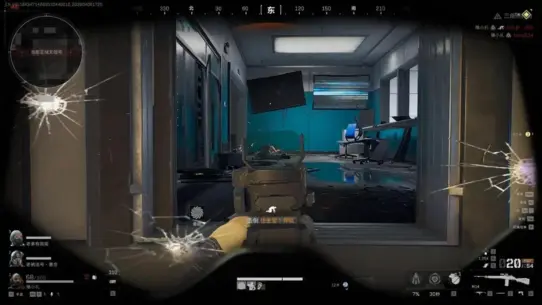
After knocking an opponent down, many players rush to finish the elimination, but during a BD Cricket Match style of fast decision making, patience often creates better opportunities. When you immediately secure the elimination, the enemy team has nothing left to worry about and can push aggressively without hesitation. Leaving the downed opponent alive forces their teammates into a dilemma. They either rush to rescue or attempt a risky counterattack, both of which expose them. This is when the momentum shifts. Instead of panicking, hold your position and wait for them to make the first mistake. In situations like this, the ball is in your court, and a well-timed counter can quickly turn the tide.
There is also no need to carry excessive ammunition. Many aggressive players load up with large reserves, thinking prolonged firefights are inevitable. However, the game’s time to kill is extremely short, meaning most engagements are decided within a few magazines. Even in a one versus three scenario, the total ammunition used rarely exceeds three magazines. Bringing around 150 rounds is usually sufficient. Carrying too much ammo only increases weight and reduces flexibility, which can slow repositioning during critical pushes. Efficient loadouts allow you to move quickly, control angles, and maintain initiative instead of getting bogged down by unnecessary supplies.
Helmets are optional, but body armor is essential. In real engagements, players instinctively aim at center mass because it is the largest and easiest target. The body absorbs far more incoming fire than the head, making armor far more valuable. Even high-level helmets can fail after only a few shots, while strong armor can absorb sustained damage and prevent being instantly eliminated when multiple enemies focus fire. Prioritizing armor dramatically improves survivability during aggressive plays, allowing you to stay in the fight longer and maintain pressure when pushing forward.
When encountering stealth-focused players, disarm them first by removing their weapon and ammunition. Backstabs from passive players are among the biggest threats, especially when you decide not to engage immediately. Taking their weapon neutralizes the risk and prevents surprise attacks later. However, if the opponent carries high-tier equipment or powerful ammunition, eliminating them outright may be the safer option. Players with strong gear often look for opportunistic backstabs, and leaving them alive can come back to haunt you. Managing these threats proactively keeps your aggressive strategy stable and reduces unexpected setbacks.
For aggressive pushes, the medic-focused operator is usually the best choice, with the mobility-based option as a secondary alternative. The healing stimulant not only restores health but also provides temporary pain resistance, allowing you to push without slowing down. Using a surgical kit in the middle of combat takes too long, and enemies will likely close the distance before you recover. Mobility skills can help reposition, but they do not always offer the reliability of smoke cover combined with quick healing. In most situations, the medic setup provides the most consistent support for sustained aggression.
Finally, injection needles are often better than large medical kits. During intense engagements resembling the tempo of a BD Cricket Match, fast recovery is more valuable than maximum healing. Injection needles activate quickly and restore enough health to keep fighting without long downtime. Although each injection restores only 60 health, using two in succession is usually sufficient to regain control of the fight. Large medical kits take longer to use and risk being interrupted, which wastes durability and leaves you vulnerable. Quick, efficient healing keeps the pressure on and ensures you maintain momentum until the engagement is fully secured.